

Rethinking Free Returns for a Greener Cart
Free returns feel convenient, yet they carry hidden environmental costs—from extra delivery emissions to discarded items that never make it back to shelves. In this guide, we explore the environmental cost of free returns and how to shop smarter, using practical steps that reduce waste while saving money. Join our community by sharing your low-return shopping tips, subscribing for actionable insights, and helping shape a kinder retail culture where careful choices and better information keep products in use and out of trucks and landfills.
The Hidden Journey of a Box Going Back
What looks like a simple pickup often triggers a complex web of reverse logistics: multiple scans, regional depots, repackaging, and sometimes transcontinental travel. Each hop adds emissions, labor, and materials, while delicate goods risk damage and markdowns. Understanding this journey reframes “free” as a cost distributed across our air, streets, and future budgets, encouraging mindful buying decisions that keep returns exceptional rather than habitual.

Why Reverse Miles Multiply
Outbound shipping is optimized; inbound often isn’t. Returned items may detour through several facilities for inspection and restocking, even hopping between carriers. Fuel consumption spikes because loads are smaller, routes less direct, and exceptions frequent. Recognizing these realities transforms casual bracketing into considered purchasing, favoring careful selection upfront over carbon-intensive backtracking across cities and warehouses.

When "New" Becomes "Unsellable"
Many returned goods cannot be resold as pristine due to broken seals, handling wear, hygiene constraints, or seasonal timing. Some are liquidated at deep discounts; others become waste. The loss pushes retailers toward overproduction buffers and higher prices. Choosing thoughtfully, verifying fit and features, and supporting refurbishment programs reduces this stream, protecting resources that went into making each item.
Packaging’s Snowball Effect
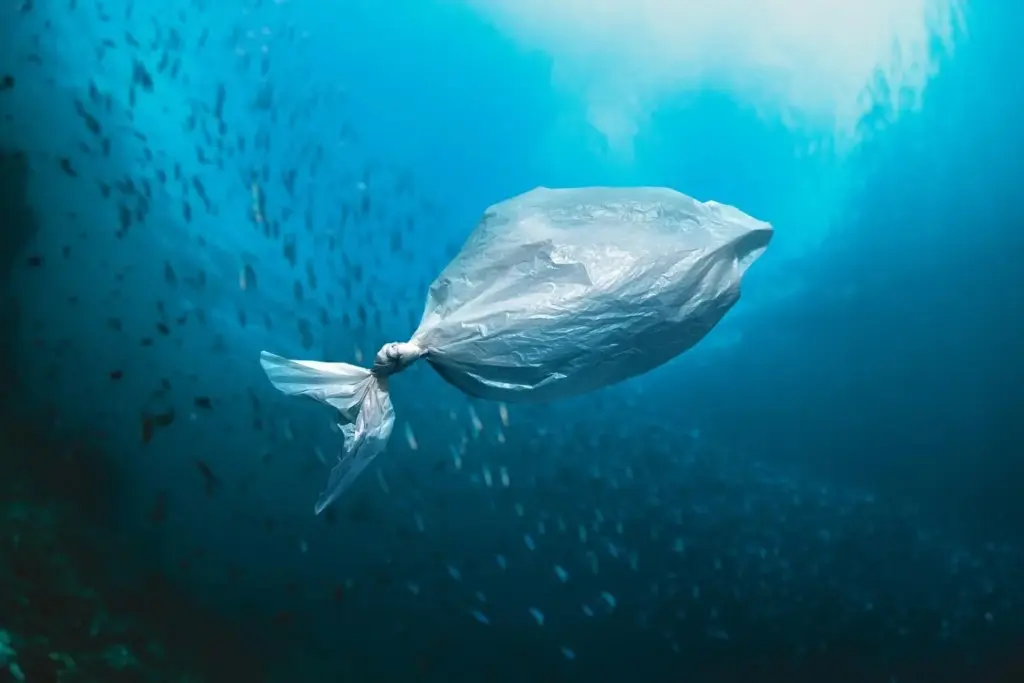
Every reversed parcel adds tape, labels, cushioning, and new boxes when originals fail inspection. Even recyclable materials demand energy to process, and plastic films often avoid recovery entirely. By ordering fewer, better-matched items, choosing consolidated shipping, and reusing packaging when returning is unavoidable, shoppers meaningfully shrink the mountain of material churn accompanying constant to-and-fro delivery.

Measure Like a Pro at Home
Grab a soft tape and record chest, waist, hips, inseam, shoulder, and sleeve lengths, plus the dimensions of a favorite garment that fits beautifully. Compare against product measurements, not just generic size labels. Save your numbers in a notes app, and you will sidestep costly experiments, reduce return runs, and build a personal reference library that pays off every season.
Read Reviews With a Fit Detective’s Eye
Seek reviews matching your body stats and preferences. Filter for height, weight, and size purchased; note comments about stretch, shrinkage, rise, or sleeve length. Look for consistent patterns, not outliers. User photos under natural light reveal true color and drape. This evidence-driven approach turns crowdsourced experience into your guide, shrinking uncertainty and limiting those disappointment-driven return labels.

Pause, Preview, and Sleep on It
Introducing a 24-hour cooling-off period eliminates many impulse buys. Save options to a wishlist, then revisit with fresh eyes and better judgment. Check availability locally before ordering online. This simple delay often reveals which item truly solves a need, preventing speculative purchases that bounce back and forth, wasting time, fuel, and attention better spent on meaningful choices.

Color, Texture, and Light Reality Checks
Screens distort color and texture. Cross-reference product images on multiple devices, seek customer photos in daylight, and read fabric composition carefully. If hue matters—say, matching a suit—order fabric swatches or visit a store. This small step removes guesswork that frequently leads to returns for shade or feel, turning your click into a confident, stay-in-the-closet decision.

Curate Carts, Not Impulses
Limit cart additions to items that pass a strict checklist: clear purpose, durable materials, accurate size, and care requirements you accept. Avoid bracketing by committing to one size based on measurements and reviews. When uncertain, consult customer support for fit guidance. Carts curated this way reflect intention, not curiosity, and send far fewer parcels on wasteful round trips.


Choosing Retailers Who Walk the Talk
Your purchase finances systems. Favor companies that disclose reverse logistics routes, invest in refurbishment and resale, provide precise product data, and reward low-return behavior. Transparent policies encourage smarter decisions on both sides. By supporting leaders who design returns out through accuracy and repair, you help shift norms away from disposal and toward stewardship that honors materials, workers, and neighborhoods.
Taming Delivery Emissions
Speed costs carbon. Unless truly urgent, choose slower shipping that allows carriers to fill trucks efficiently and plan routes well. Bundle orders into fewer boxes, avoid split shipments, and consider pickup lockers or bike courier regions. These adjustments reduce idling, failed delivery attempts, and repeat routes, shrinking footprints while often improving reliability and your unboxing experience.
Pick Slower, Smarter Shipping Windows
Opt for economy or no-rush delivery when possible. Carriers consolidate loads, smoothing peaks that cause half-empty vans. Many retailers reward slower choices with credits. You still receive reliable service, while emissions drop. Schedule deliveries for days you are home to prevent reattempts, further reducing unnecessary miles and the likelihood of damage during repeated handling.
Bundle Orders and Skip Split Packages
Split shipments multiply boxes, void fill, and miles. Before checkout, edit your cart to combine items and accept a single delivery date. If one item is truly urgent, separate that purchase intentionally—do not allow the system to split by default. Your consolidated approach supports efficient routing, keeps hallways free of cardboard drifts, and reduces messy returns from fragmented orders.
Lockers, Hubs, and Bike Couriers
Pickup lockers and local hubs enable dense delivery drops, trimming last-mile emissions and failed attempts. In some cities, bike couriers or electric vans handle these legs cleanly. Choose these options when offered, and encourage retailers to expand coverage. The result is predictable pickups, fewer porch risks, and a smaller environmental bill attached to every satisfied order.

Care, Repair, and Share
A product kept and loved beats any return. Learn care routines that preserve fit, color, and function. Fix minor issues early; a single stitch or new heel tip can save a replacement. If something is not right for you, consider resale, donation, or swapping before shipping it back. These pathways keep goods useful and communities connected.
All Rights Reserved.